✅ FINAL UPDATE — ANKER RESOLVED THE MATTER (13 AUGUST 2026)
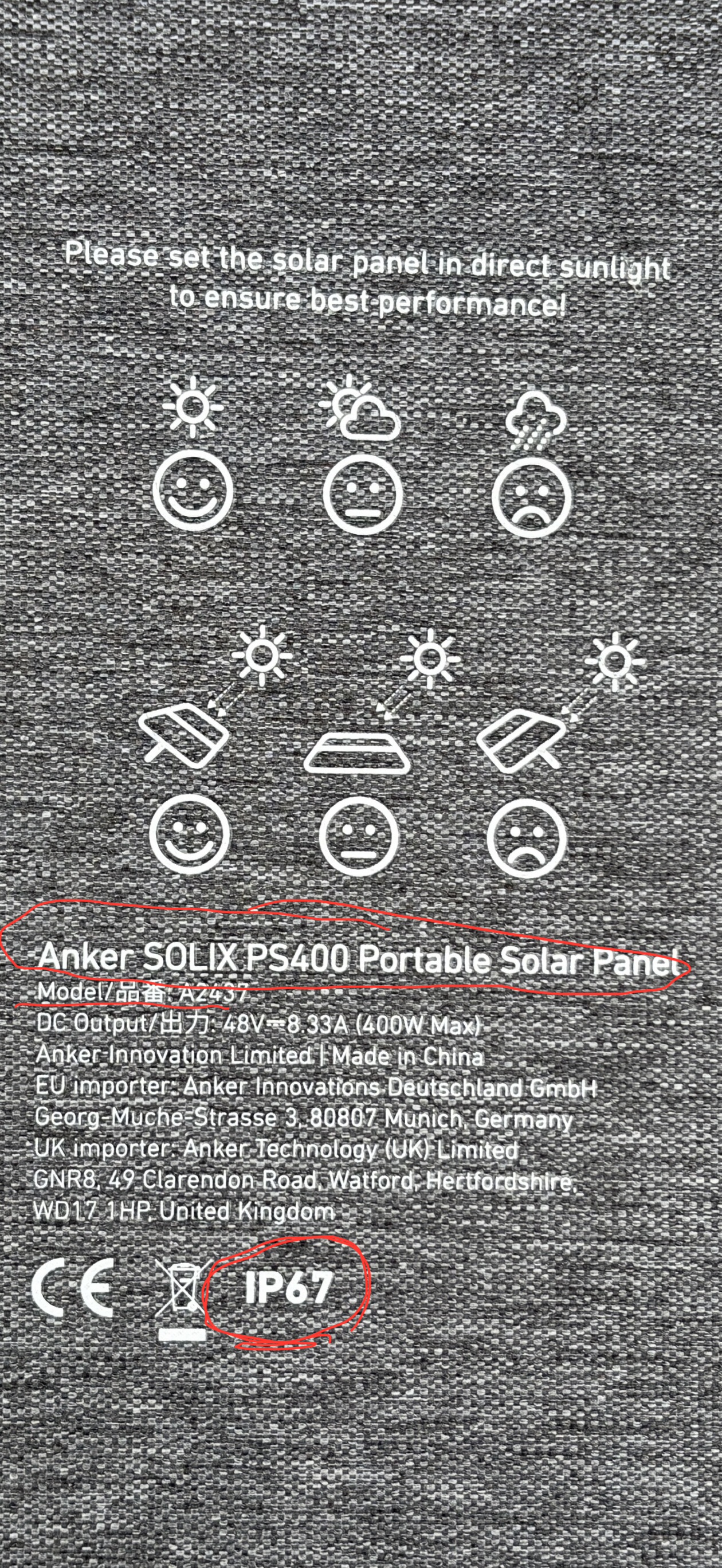
This case has now been resolved positively. After further internal review, Anker Japan reconsidered its earlier refund-only position and agreed to replace the defective PS400 with the upgraded Anker SOLIX PS400 Dual Portable Solar Panel (Model AS340011).
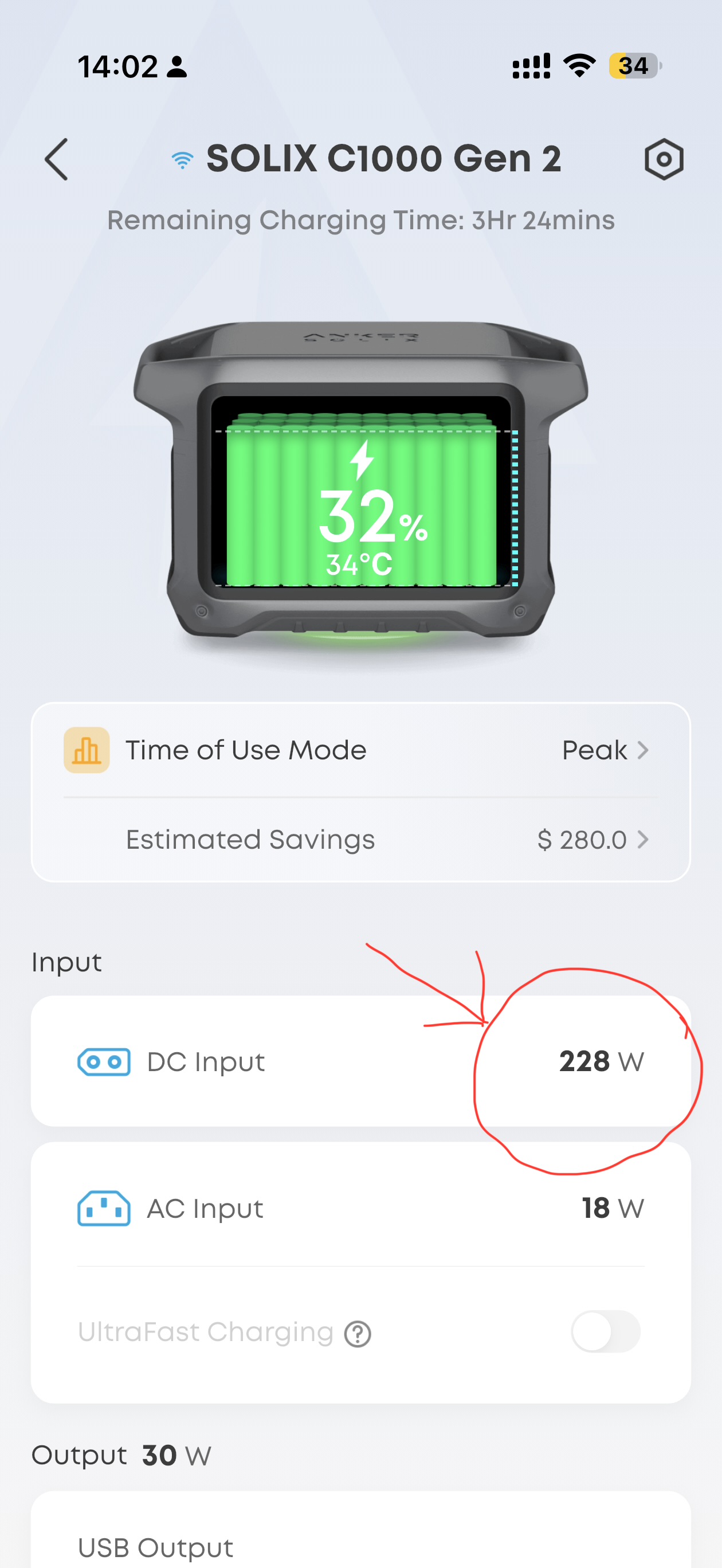
The replacement arrived safely. I completed an initial power-generation test and observed approximately 230W under limited weather and sunlight conditions. This result is not a final performance benchmark, but the replacement appeared to be operating normally, and I was satisfied with the initial check.
I also handed the previous PS400 and its related cables to the designated Yamato collection personnel, completing the return from my side. Anker then confirmed our update, apologized again for the inconvenience over the extended period, and stated that it was pleased that we were satisfied with the final resolution.
We sincerely appreciate Anker for reopening the case, listening to our request, arranging the upgraded replacement, and seeing the matter through to completion. We are satisfied with Anker’s final resolution and believe the company deserves full credit for ultimately resolving the issue in a customer-focused way.
The original account below remains published as a transparent record of the full experience. It documents both the initial difficulty and the positive final outcome. Our intention is to report the complete story fairly: not only what went wrong, but also how Anker ultimately put it right.
Why I Purchased the Anker System
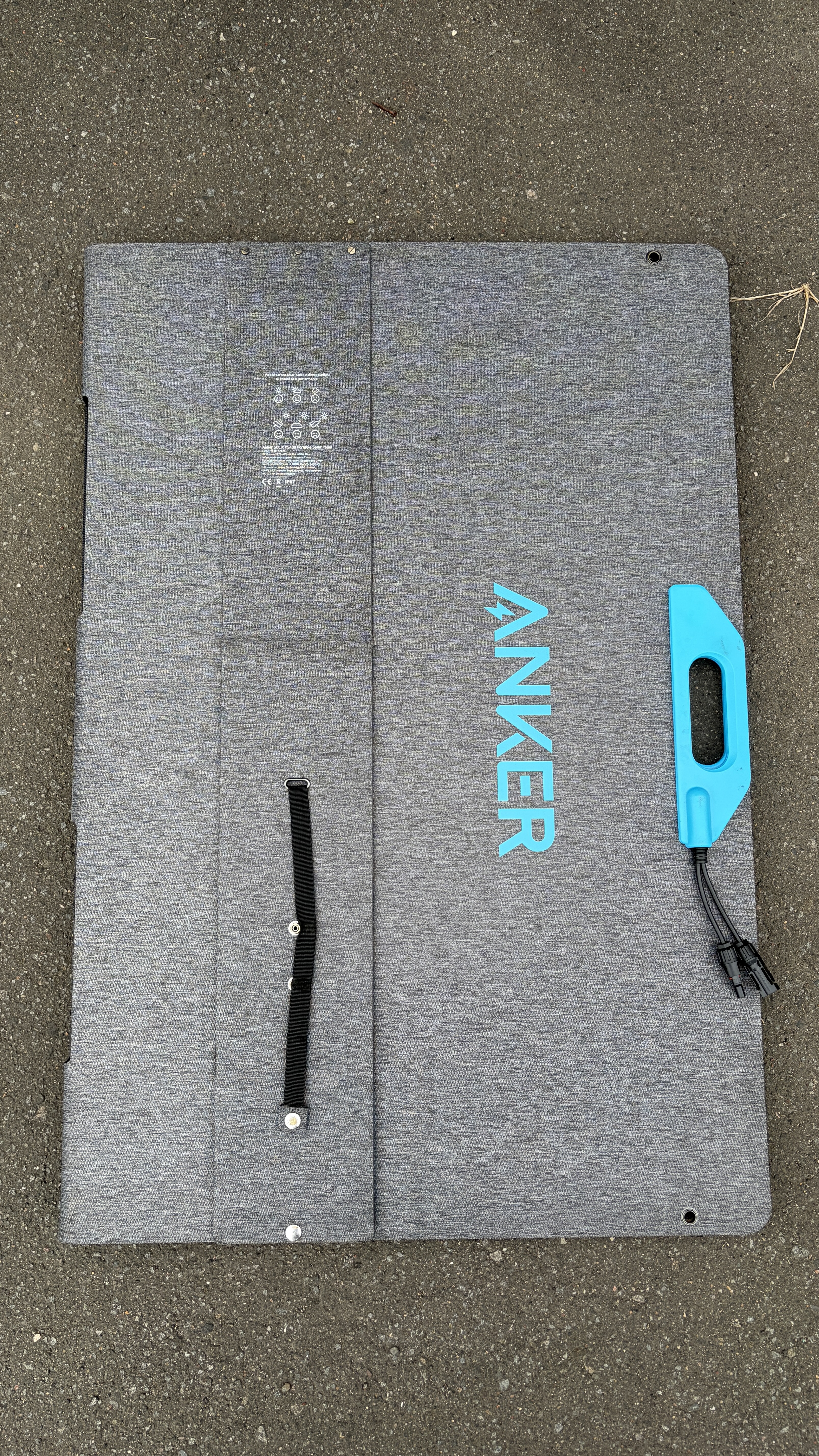
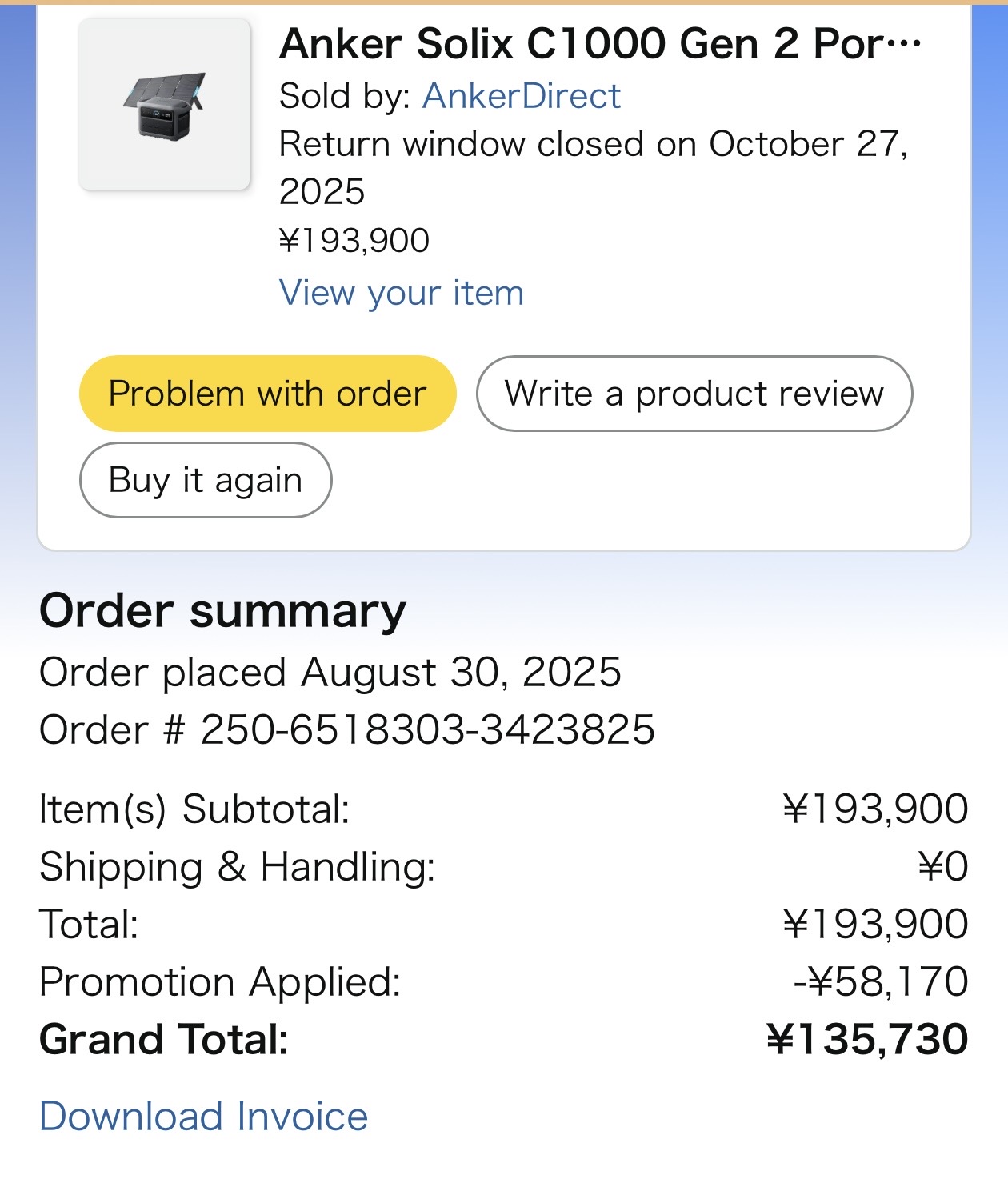
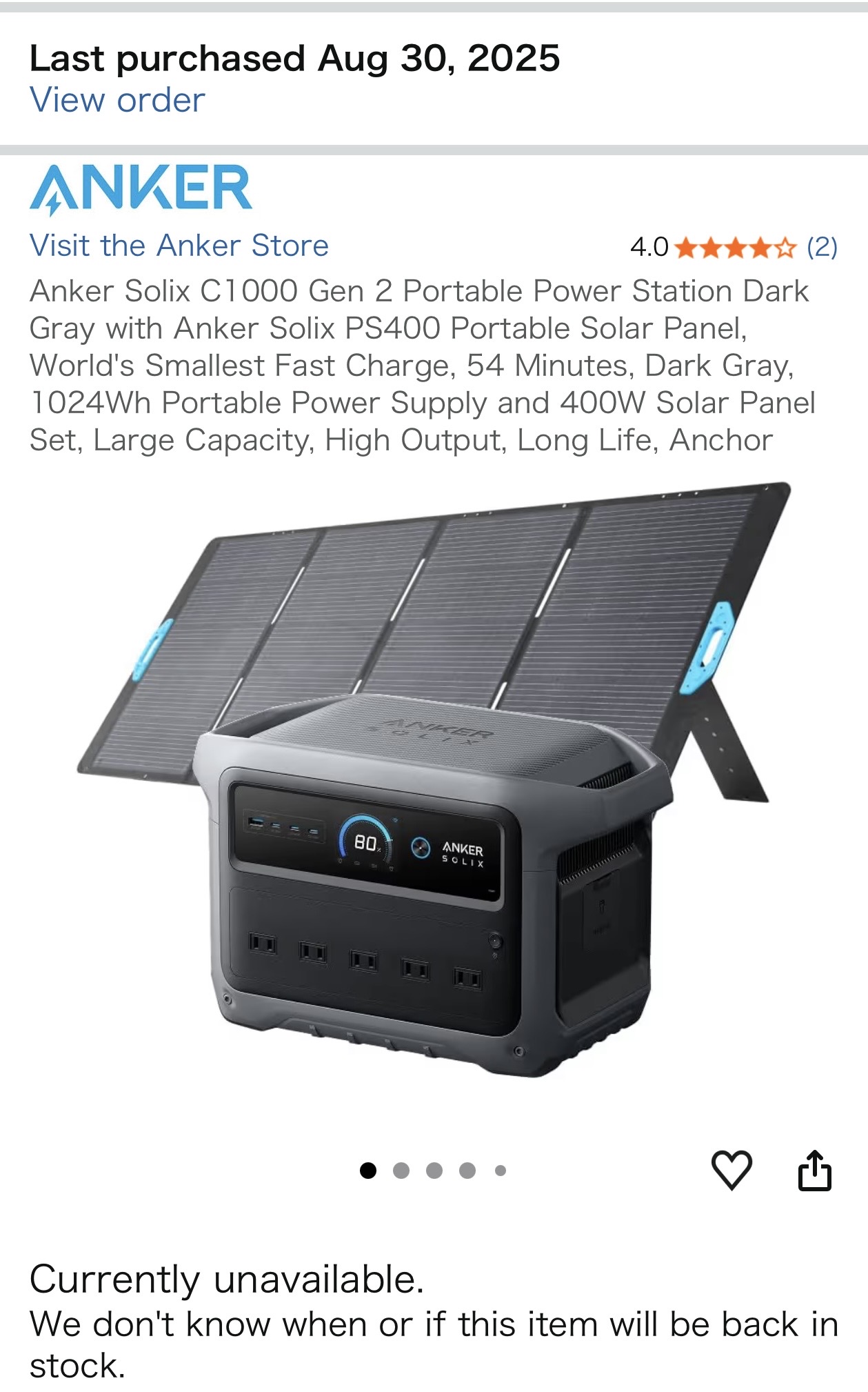
I purchased the Anker Solix C1000 Gen 2 and the upgraded PS400 Portable Solar Panel together through Amazon Japan for ¥135,730 during a promotional campaign.
I selected this system for emergency preparedness, power outages, camping and outdoor charging. I trusted Anker as a major brand and expected the solar panel and power station to provide reliable long-term service.
The Problem With My PS400
After only a few months, the solar panel’s output decreased significantly. Under comparable sunlight conditions, the panel that had previously generated approximately 380–395 W was later unable to exceed roughly 290 W.
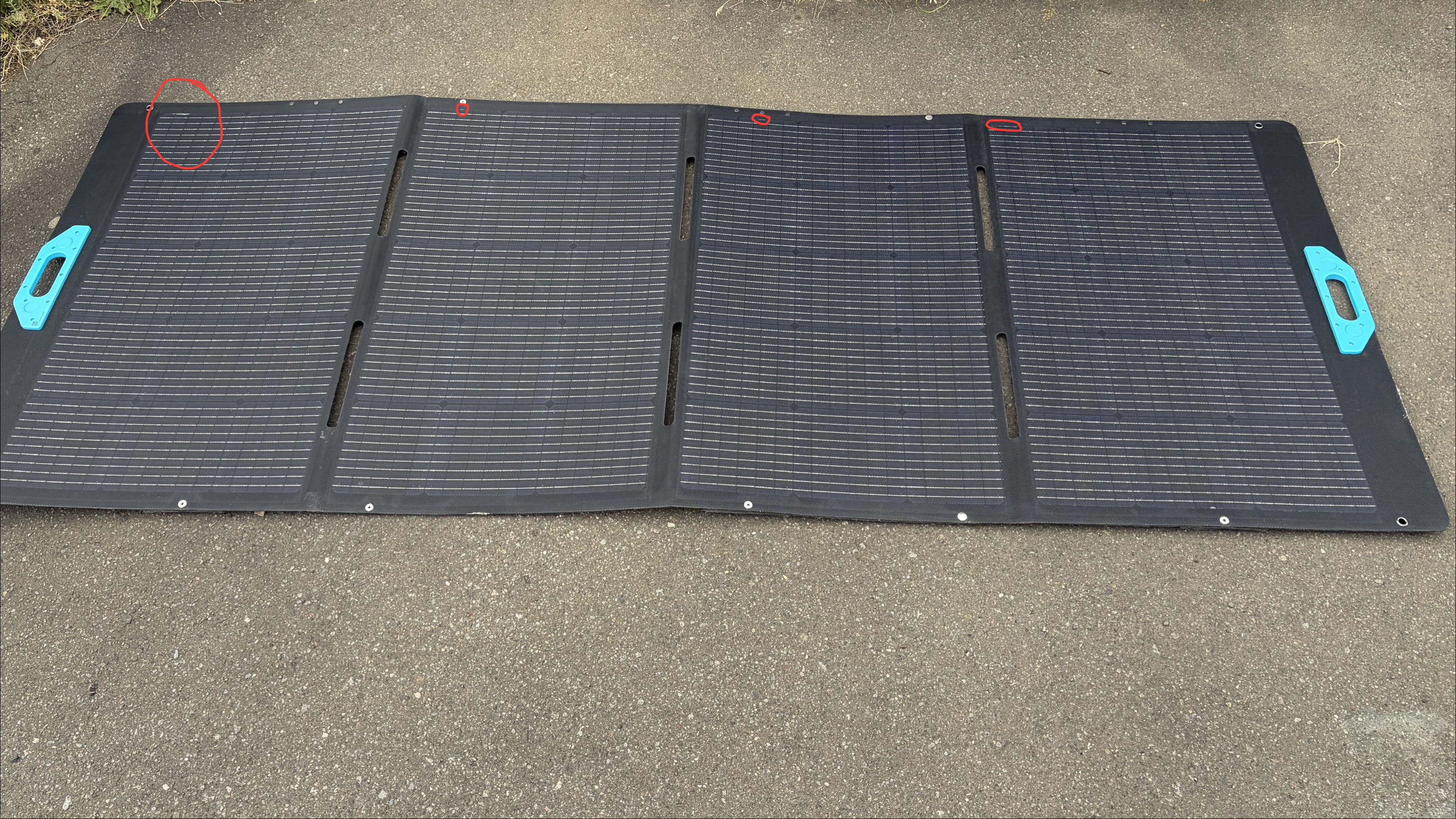
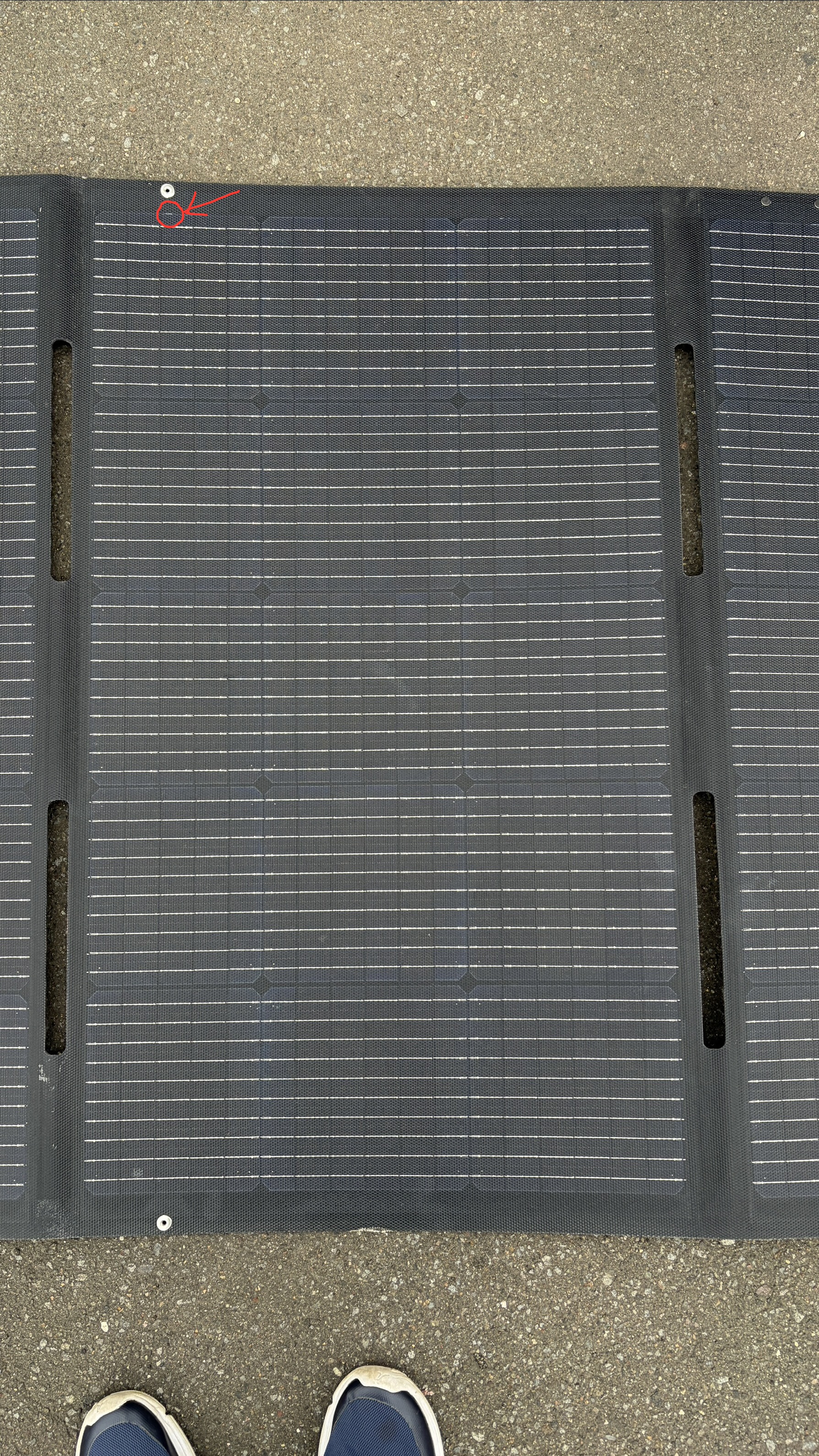
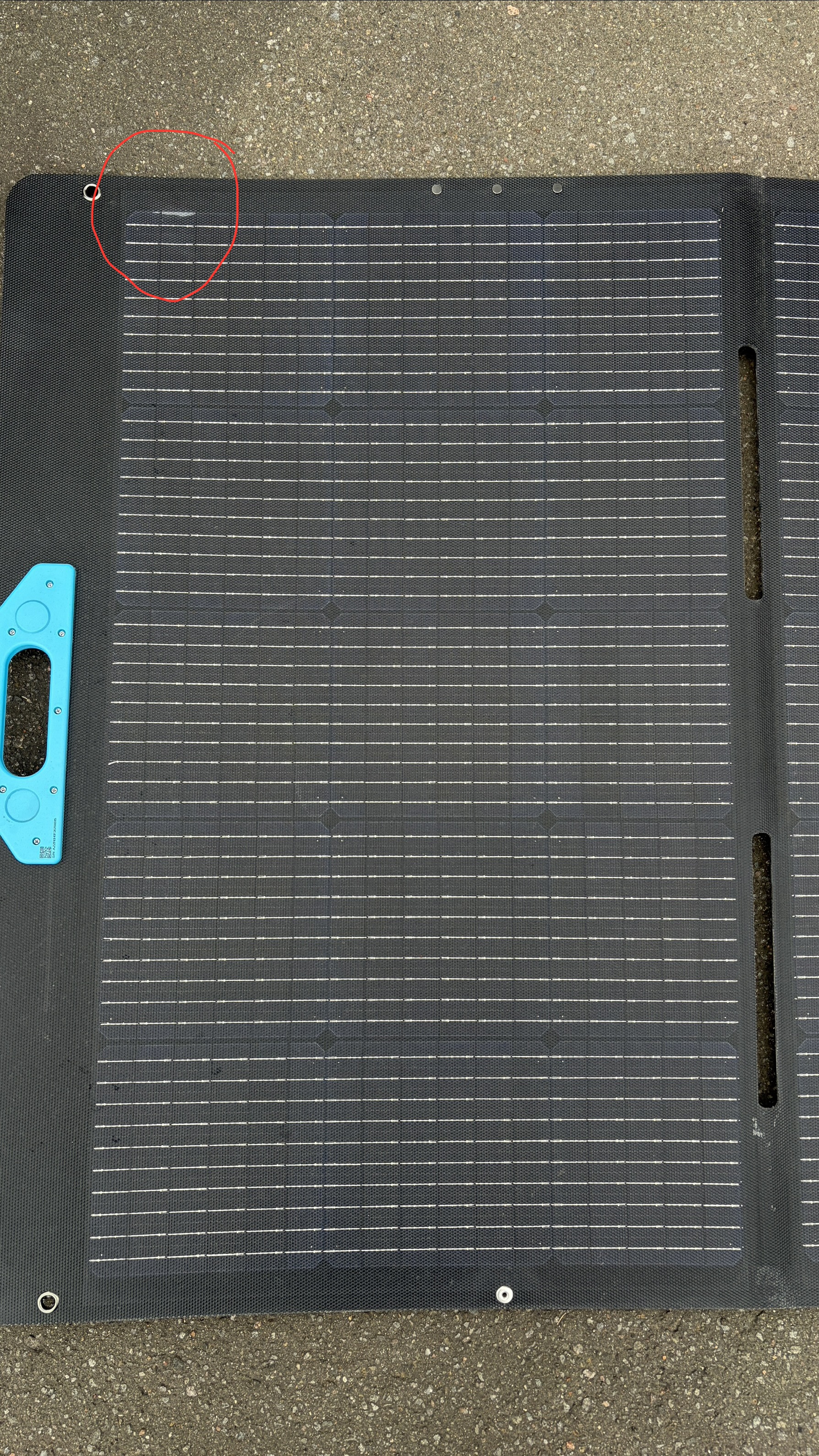
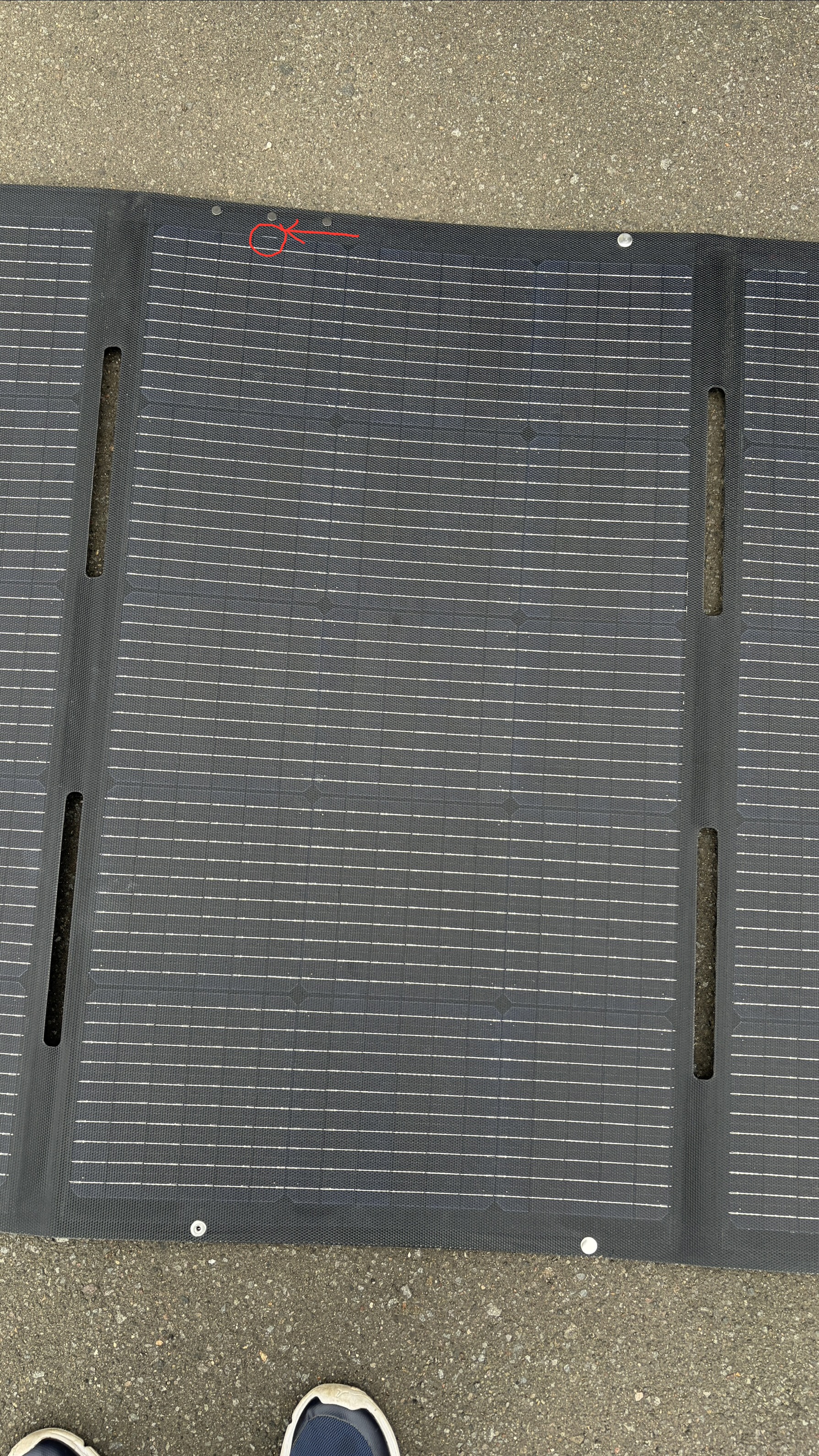
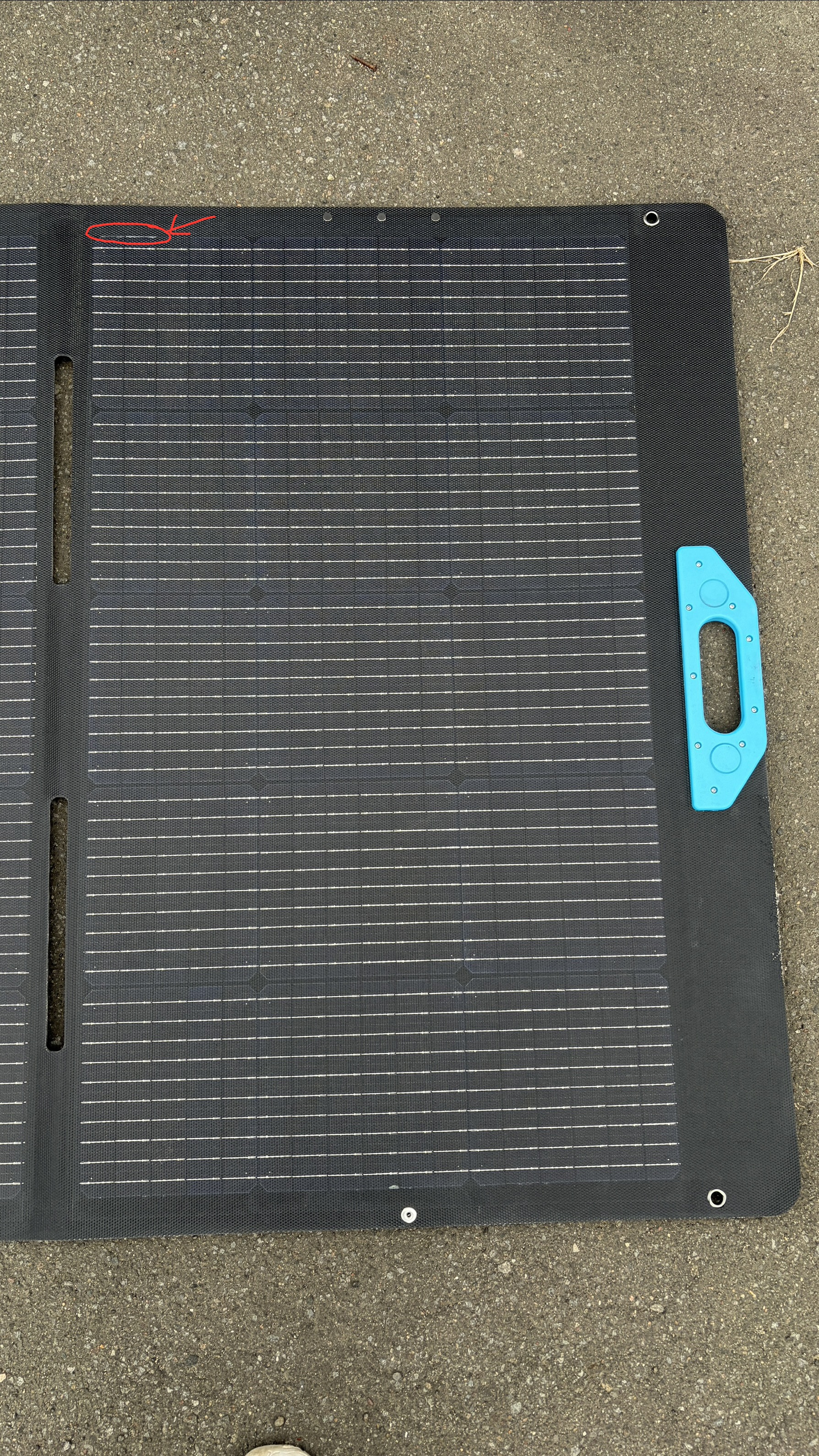
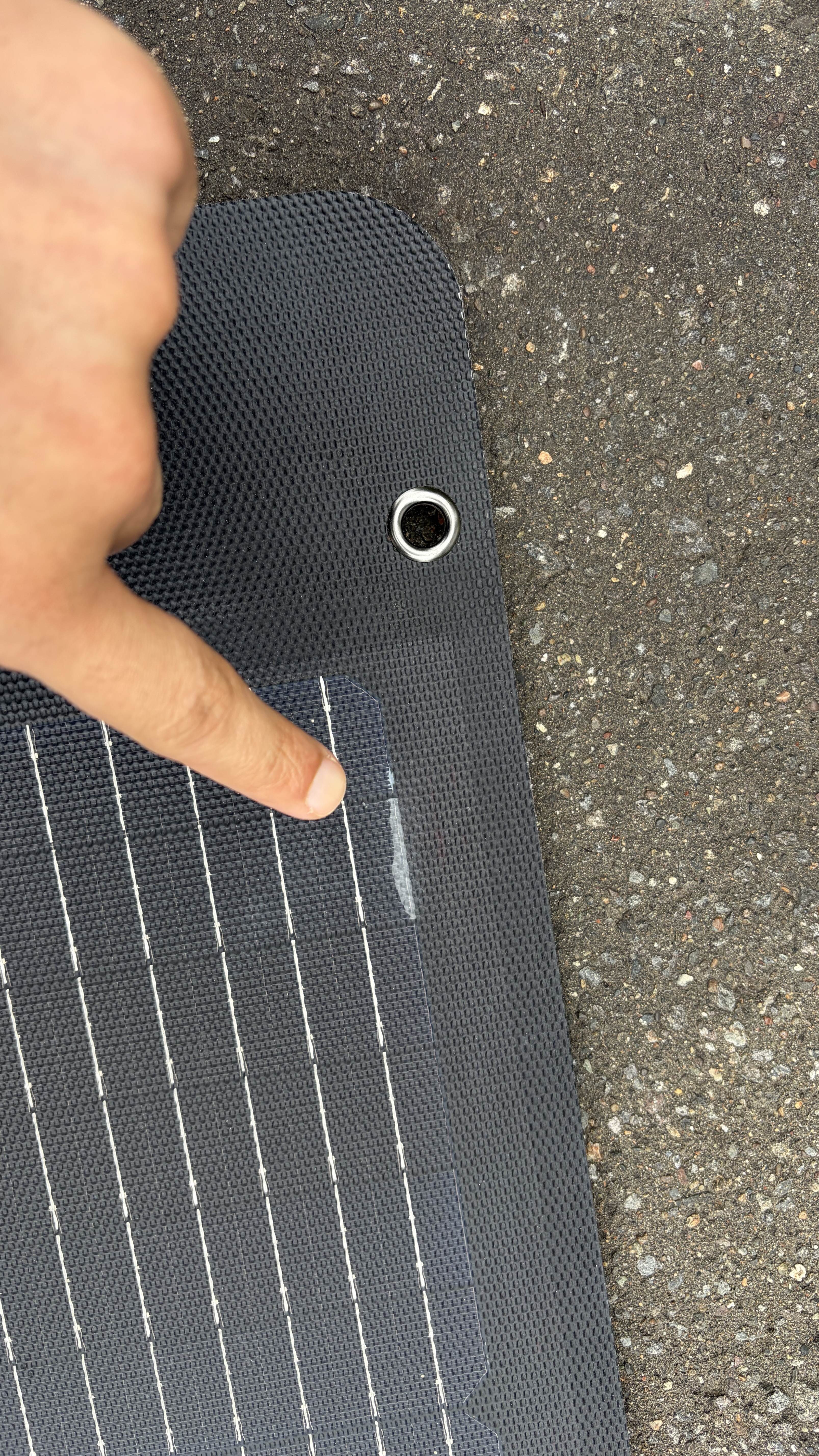
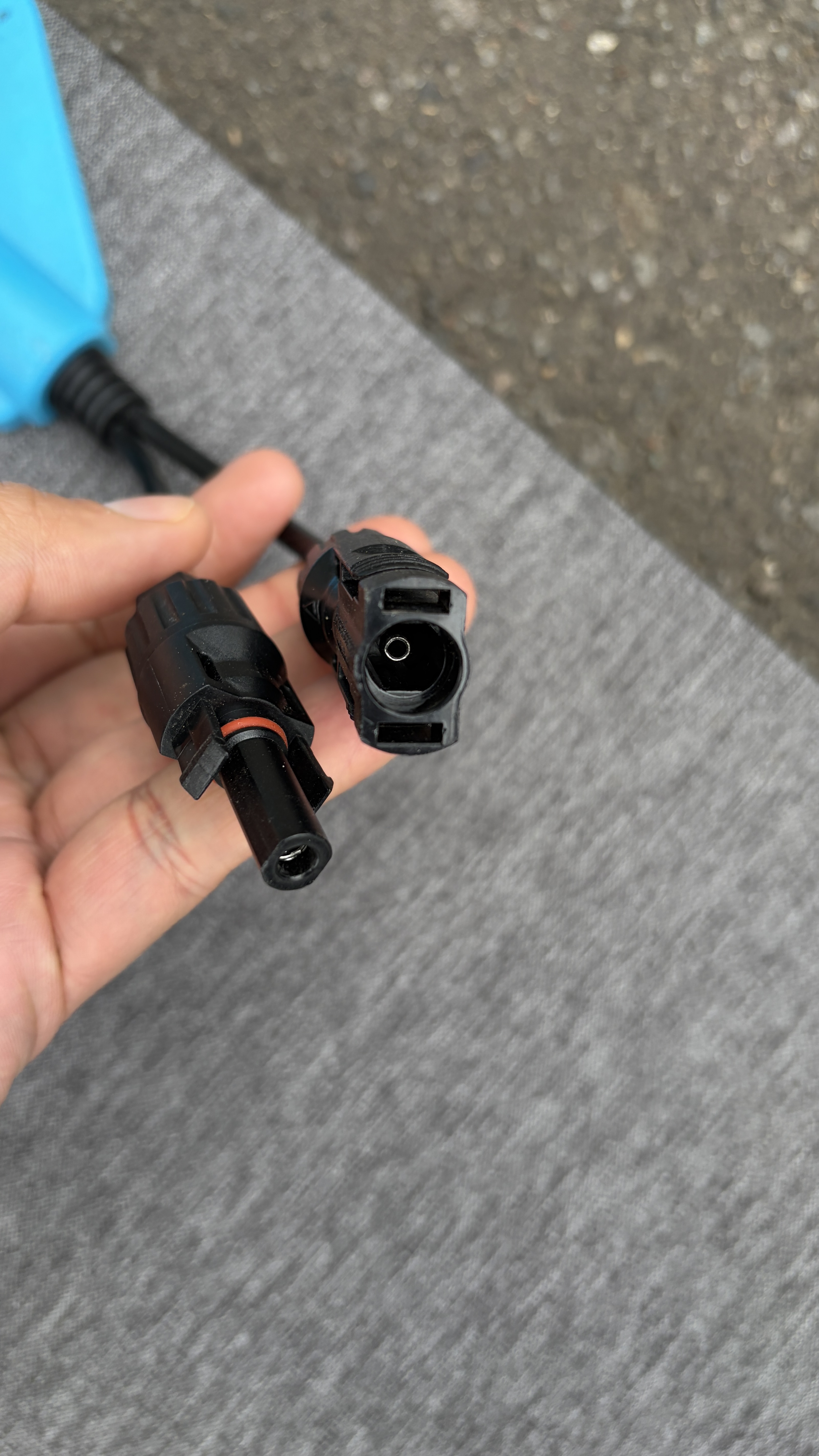
This represented an output reduction of approximately 40% in my experience. I also observed a small bubble near the edge of the panel that appeared similar to trapped moisture.
The C1000 Gen 2 power station itself was working normally. My first request was therefore limited to the defective solar panel: I requested either a replacement PS400 or a refund for the panel if replacement was impossible.
Anker’s Initial Response
Anker Japan explained that the upgraded PS400 had been discontinued and that no replacement unit or successor model could be supplied. They offered to collect the defective panel and refund only the PS400 through Amazon.
I then confirmed that the newer Anker Solix PS400 Dual Portable Solar Panel was available for sale on Amazon and asked whether it could be supplied as an equivalent replacement.
Replacement Request Rejected
Anker declined to replace my defective PS400 with the PS400 Dual and suggested that I purchase the newer panel separately if needed.
I explained that I had purchased the C1000 and PS400 together as one complete solar power system. Without a functioning solar panel, the system could no longer serve the emergency and off-grid purpose for which it was purchased.
Anker Reconsidered the Case
After additional discussion, Anker reconsidered the case internally and offered, as an exception, to collect both products and refund the full original purchase price—even though the C1000 was functioning normally.
I appreciate that Anker expanded its original proposal and offered a full return of both items.
The Remaining Problem
The original promotional bundle cost ¥135,730. At the time of the later discussion, the C1000 Gen 2 and the PS400 Dual were each listed at approximately ¥99,990 on Amazon Japan.
This meant that an equivalent current system cost approximately ¥200,000. Even after a full refund, purchasing an equivalent system would require an additional payment of more than ¥60,000.
I asked whether Anker could provide the current PS400 Dual, a coupon, Amazon points or another form of support toward the price difference.
Anker’s Final Decision
Anker stated that its policy does not permit replacement with the requested successor product or financial compensation for the cost of repurchasing an equivalent system.
The maximum resolution offered was the collection and full refund of both the defective PS400 and the working C1000 Gen 2.
Why I Have Not Immediately Accepted the Refund
The purchase was made using credit-card installment payments. Before returning the complete system, I need to understand exactly how the refund would be processed, when it would appear, and what would happen to the remaining installment payments.
For this reason, I have not yet proceeded with the collection and refund.
My Honest View
Anker’s support representatives communicated politely and reviewed the case more than once. I also acknowledge that refunding the working C1000 together with the defective panel was presented as a special exception.
However, I remain disappointed that an equivalent replacement was not available during the warranty period and that the refund would not allow me to purchase a comparable current system at today’s prices.
I cannot judge every Anker product from one case. However, the durability of my PS400 was below what I expected from a premium outdoor and emergency-use product.
My Experience With Outdoor Use and Durability
During my ownership, the PS400 was used outdoors for normal solar charging on only a limited number of days. It was not subjected to unusually rough handling, abuse or demanding field use beyond the kind of outdoor use for which a portable solar panel is marketed.
Despite this relatively limited use, I experienced a substantial reduction in solar output and observed a bubble-like symptom near the edge of the panel. Based on the condition of my particular unit, this raised concerns for me about the product’s long-term durability.
This report concerns my own unit and personal experience. It does not establish that every PS400 panel will develop the same issue. However, prospective buyers may wish to consider durability, storage conditions, continued availability of replacement models and the warranty solution offered if a product is discontinued.
Advice for Future Buyers
Customers considering an expensive portable power system should check not only the stated warranty period, but also what happens if one component of a bundle fails after that model has been discontinued.
Before purchasing, it may be helpful to confirm whether an equivalent successor product can be supplied, whether the remedy is limited to the original purchase value, and how refunds are handled when the purchase was made using credit-card installments.
Buyers should also retain invoices, serial-number photographs, performance records and clear photographs of any physical symptoms. These records can be important when explaining a gradual loss of output or another problem that may not be obvious from a single inspection.
This report is based on my documented purchase, photographs, measured output observations and actual correspondence. Readers can review the available evidence and form their own conclusions.